
What Causes Obesity?
We can list several culprits in the crime of obesity in America—declining physical activity, too much screen time, too much sitting in chairs, our high stress environment, the media (I like to blame the media for everything), or the amounts and kinds of foods we eat. Maybe it’s a combination of all the above—death by 1,000 cuts. A careful examination of this list finds most of us guilty as charged.
But what if there was one thing that stood out from this list that was most responsible for obesity? And … what if we went to work to change that one thing?
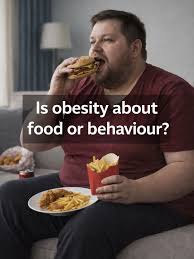 A new study spanning 34 populations across six continents challenges our belief that obesity is the result of sloth—too much screen time, declining physical activity, too much sitting in chairs. Researchers found that people in economically developed countries burn more calories overall because of larger body size. When body size is accounted for, physical activity levels and energy expenditure remain the same across populations.
If reduced physical activity isn’t the culprit, what is? The study pointed its finger in one direction—increased calorie intake in the form of ultra-processed foods. In fact, the study was bold enough to say that consumption of ultra-processed foods is ten times more responsible than lack of physical activity for the obesity epidemic.
The study makes a compelling argument that the obesity crisis is not the result of reduced physical activity. It’s the consequence of increased dietary intake in the form of ultra-processed foods.
Are We Really Less Active?
The study used the doubly labeled water method—the gold standard for measuring total energy expenditure—to calculate the activity levels of 4,213 adults from 34 populations with a diversity that ranged from hunter-gatherers to highly industrialized societies.
People living in more economically developed countries burned more calories because their bodies are bigger, they are taller, more muscular and carry more fat. When the data was adjusted for body size, the study found that folks living in countries like the U.S. burn only about 6% fewer calories than folks living in hunter-gatherer societies. The study overrules our common belief that we burn fewer calories because of our modern lifestyle. The slight variation in energy expenditure accounted for only one-tenth of the higher body fat percentage and BMI associated with economically developed countries.
The authors of the study found that higher energy intake is the driver of obesity in developed countries. But more importantly, the study linked obesity to diet quality, not quantity. It’s more a matter of what we are eating, not how much. The study found the percentage of ultra-processed foods in the diet was positively associated with a higher percentage of body fat, even after adjusting for age, sex, and developmental rank.
Why Ultra-Processed Foods Drive Obesity
Most of the food consumed in industrialized countries is ultra-processed—nearly 60% of the daily intake in the U.S. alone. It’s gotten so bad that kids age 1 year and older consume 55% of their calories from ultra-processed foods.
When people eat a diet composed of mostly ultra-processed foods, they consume around 500 extra calories a day compared to eating whole foods. A study conducted in 2019 gave two groups of people diets composed mostly of ultra-processed foods or whole foods. While the diets contained the same number of calories, the group who ate ultra-processed foods gained two pounds in two weeks. The group who ate unprocessed foods lost two pounds in two weeks—a four-pound difference just because of the type of food, not the amount.
Why Are Ultra-processed Foods so Powerful?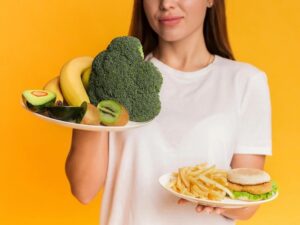
- We eat them faster and never feel full. Soft textures, minimal chewing, and liquid forms allow us to consume calories quickly, which delays the fact that you ever feel full. Beverages are the worst. “Don’t drink your calories” is sound advice.
- They don’t have much protein. Most ultra-processed foods are protein-poor but rich in refined carbs and fats. To reach a biological protein “target,” people unconsciously eat more total calories, a concept known as the protein leverage hypothesis.
- Their fiber and micronutrient density is low. Ultra-processed foods usually replace foods rich in fiber and micronutrients. In the US, ultra-processed foods supply approximately 90% of added sugars.
- They alter the gut microbiome. Emulsifiers widely used in ultra-processed foods have been shown to alter the gut microbiota and increase gastrointestinal discomfort. This can ultimately disrupt appetite regulation and metabolism.
- They’re cheap and convenient. On a per-calorie basis, ultra-processed foods are cheaper and more accessible than whole foods, which is why low-income families are the biggest consumers. And they are everywhere. When’s the last time you saw an apple by the cash register at your favorite home improvement store?
This study really helps us understand that ultra-processed foods are the perpetrator in the obesity epidemic. A study published in June 2025 found that a mere 10% increase in household expenditures on ultra-processed foods led to a 4.25% increase in BMI.
Exercise Is Still Important
I’ve always told people that losing weight is 20% exercise and 80% what you eat. This study supports my proposition. The 20% of the weight loss equation that exercise provides is necessary as a means of preserving muscle and keeping your stress hormones in check. The thing to keep in mind is exercise without proper changes in your eating habits won’t help most people lose weight. And you can’t really exercise your weight off. You have to change your eating habits by eating real, whole foods.
At Exercise Inc, our Simple 9© nutritional program has helped our clients lose more than 40,000 pounds since 2013. Our approach is simple and it works. If you’re wanting to learn how to eat better, our coaches are here to help.
Stay Strong,
Bo Railey
